.png)
Why Staying on a Working Vineyard Beats Any Bordeaux Hotel
- Mar 10
- 8 min read
A Bordeaux wine country holiday sits in a different category from most French holidays. This is a region where the wine, the food, the countryside and the history all pull in the same direction. You are never far from a great glass, a good table, or a view worth stopping for.
Whether you are planning your first wine trip to France or coming back for the third time, this guide covers what to see, which wine tours are worth your time, and how to get the most from the Bordeaux wine region.
Why Bordeaux Wine Draws Visitors from Across the World
Bordeaux wine has been made in this corner of southwest France for over two thousand years. The Gironde estuary and the rivers Garonne and Dordogne create a mild Atlantic climate that suits wine-making as well as anywhere in the world.
The region is home to over 7,000 châteaux and produces around 700 million bottles a year. From the grand estates of the Médoc to the small family producers of the Dordogne valley, the range of wine on offer is unlike anything else in France.
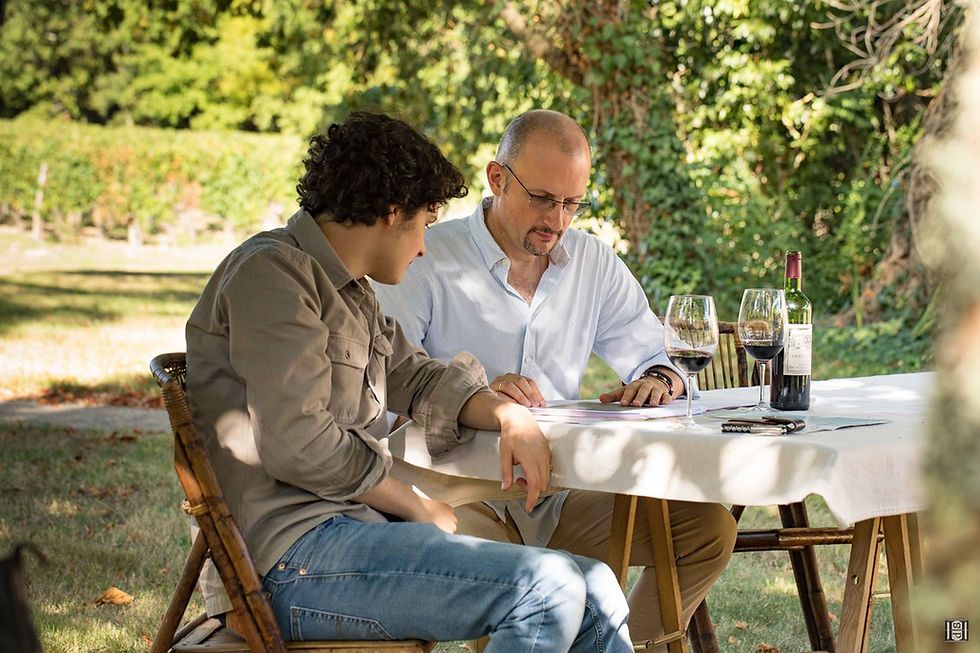
That breadth is what keeps wine lovers coming back. One day you are tasting in a grand château with a formal tasting room. The next, you are sitting at a kitchen table with a fourth-generation winemaker who pours from an unlabelled bottle and tells you which parcels produced the best wine this year.
Planning Your Bordeaux Wine Holiday
When to Visit Bordeaux
France is beautiful across every season, but for wine holidays the best windows are spring and autumn. April to June gives you green vineyards, mild temperatures and fewer crowds. September and October bring the harvest, when the vineyards come alive and the whole Bordeaux region moves to the rhythm of the picking.
July and August are warm and busy. The city of Bordeaux and the village of Saint-Émilion fill with visitors, and some smaller estates stop taking walk-in bookings altogether.
How Long to Stay
Three nights is the minimum if you want to do more than skim the surface. A week gives you time to explore the wine region properly, take a day trip to Arcachon Bay, and still have evenings to sit with a glass and nothing particular to do.
For wine trips focused purely on the Right Bank, three to four nights in the countryside is the right length of stay.
Getting Here
Bordeaux airport is around two hours from most UK airports by direct flight. From the airport, the city centre takes around 35 minutes by car or tram, and the wine region is reachable within 40 minutes.
The Best Bordeaux Wine Tours
Wine tours in Bordeaux range widely in quality and format. A large coach tour will take you to the well-known names but rarely gets you anywhere personal. A smaller, well-guided tour gets you into places that do not appear on the standard itinerary.
Private Tours of the Bordeaux Vineyards
Private tours of the Bordeaux vineyards give you the freedom to set the pace, choose the estates, and ask questions without a group waiting behind you. Most private tours cover two or three châteaux in a day, with wine tasting included at each stop.
A good private guide will take you into the vines, explain the soils, and walk you through what you are tasting and why. That direct conversation is something no group tour can replicate. Guests staying at Château Méaume can arrange private tours through the estate.

Luxury Bordeaux Wine Tours
Luxury Bordeaux wine tours open doors that are usually closed. Access to estates that do not take general visitors, tastings with the winemaker rather than a member of staff, and transport in a private car rather than a minibus.
The price is higher, but for serious wine lovers the experience is in a different category. If you are staying on a working estate, the owner will often be able to make introductions to neighbouring producers directly.
Bordeaux Wine Tours for Groups
Groups of six or more travelling together often find that a dedicated full-day guide works out well in both cost and quality. Bordeaux wine tours for groups can be shaped around a particular appellation, a grape variety, or a mix of grand and small producers, depending on what the group wants.
A Day Tour From the City
If you are based in the city, a day tour into the wine region is a straightforward starting point. Most operators offer a day tour that covers either Saint-Émilion or the Médoc with transport included. It is a good introduction, though staying in the wine region itself gives you a richer experience overall.
Exploring the Wine Regions of Bordeaux
The Bordeaux wine region is divided into several distinct appellations, each with its own soils, character and grape varieties. Knowing the difference helps you decide where to focus your time.
Saint-Émilion and the Right Bank
Saint-Émilion is the most visited part of the Right Bank and earns every bit of the attention it receives. The medieval village sits on a limestone plateau above the surrounding vineyards, with underground cellars carved into the rock beneath the streets.
The vineyards of Saint-Émilion produce some of the finest Merlot-based Bordeaux wine in France, with rich, rounded wines that are often more approachable in their youth than those of the Left Bank.
Pomerol sits just to the west of Saint-Émilion, a quiet and compact appellation with no grand tourist infrastructure. The wines here are made in small quantities and can be difficult to find, but a visit to even one Pomerol producer is worth the effort.
The Médoc and Its Iconic Vineyards
The Médoc is where many of the most iconic vineyards in Bordeaux sit. Margaux, Pauillac, Saint-Julien, Saint-Estèphe: these names appear on bottles all over the world, and the estates themselves are impressive to visit in person.
The soils here are gravelly and well-drained, and Cabernet Sauvignon dominates. The wines are firmer and more structured than those of the Right Bank, built to age and slow to open up. Famous wine from this part of Bordeaux can spend ten or twenty years in a cellar before it reaches its best.
The Dordogne and Beyond
The Dordogne runs along the northern edge of the Bordeaux region and gives its name to one of the most beautiful river valleys in France. The vineyards along the Dordogne produce good Bordeaux at honest prices, and the wider Dordogne area adds medieval villages, markets and prehistoric caves to the itinerary.
The Dordogne valley sits around an hour from the Right Bank wine estates, making it a natural extension of a longer trip. It is a quieter, less visited part of this corner of France, and it rewards the detour.
Beyond the Vineyards: What Else is there to Do?
A wine holiday in Bordeaux does not have to mean vineyards from morning to night. The region has plenty to offer beyond the glass.
A Day in Bordeaux City
The city of Bordeaux is one of the finest cities in France. The 18th-century stone architecture along the riverfront is immaculately preserved, and the restaurant and wine bar scene is genuinely excellent. Set aside a full day in Bordeaux to walk the old quarter, visit the morning market, and eat somewhere serious.
The city has a lively independent food and drink scene that sits apart from the grand wine world. A good wine bar here will pour you something obscure from a small producer you have never heard of, which is often more interesting than the famous labels.
Cité du Vin
The Cité du Vin is Bordeaux's dedicated wine museum, and it is far more engaging than that sounds. The building itself is striking, set on the waterfront in a wave-like form, and the permanent exhibition covers the history and culture of wine across the world.
It is a good option for a rainy afternoon or as an introduction to French wine before you head out into the region.
Arcachon Bay
Arcachon Bay sits around an hour from Bordeaux and offers a completely different kind of day trip. The bay is famous for its oysters, the vast Dune du Pilat, and the long Atlantic beaches that stretch south towards the Spanish border.
It is worth the drive if you want a morning away from wine and a reminder that this part of France has more than one thing to offer.
The Dordogne Valley
The Dordogne valley makes a natural day or overnight extension for anyone spending a week in the Bordeaux wine region. The river winds through limestone country lined with châteaux, cave paintings, walnut orchards and markets that sell some of the best food in France.
The Dordogne sits close enough to the Right Bank wine estates that you can pair a morning's wine tasting with an afternoon in the valley without making the drive feel punishing.
Where to Stay on Your Bordeaux Wine Holiday
Staying on a Working Estate
Staying on a working estate rather than in a hotel changes everything about a Bordeaux wine holiday. You are inside the vineyards, not visiting them. You see the daily rhythm of the estate, the seasonal work, and the care that goes into each vintage.
The farmhouse at Château Méaume is an 18th-century stone building restored with real care. It sleeps eight across four double bedrooms, with three bathrooms, a full kitchen, a dining room and a living room with a wood-burning fireplace.
The estate covers 250 acres of vineyards, woodland, open fields and a lake. Guests have access to all of it. There is a swimming pool, a tennis court and marked walking trails that connect to local footpaths. Prices start from £1,200 for three nights, with a minimum stay of three nights.
Every stay includes a private wine tasting in the cellar with Mark, the owner. Find out more about the estate wines.
Staying in the City
Staying in Bordeaux city puts you close to restaurants, the Cité du Vin and easy transport links. The trade-off is that the vineyards are 40 minutes away rather than outside the window.
The Bordeaux Wine Festival
The Bordeaux wine festival takes place every two years along the city's waterfront in June. It is one of the largest wine events in the world, with hundreds of producers pouring their wines alongside food stalls, live music and a real sense of celebration.
Wine lovers planning holidays around the festival should book accommodation well ahead. The city fills up quickly and the surrounding wine region follows.
Wine Tasting Tips for Your Trip
What to Expect at a Château Visit
Most châteaux that welcome visitors follow a similar format: a walk through the vines, a tour of the cellar, and a wine tasting to close. The atmosphere varies significantly from estate to estate. Some are polished and well-rehearsed. Others feel more like visiting someone's home.
At smaller family estates, the person pouring your wine is often the person who made it. That connection is part of what makes wine tasting in Bordeaux different from buying a bottle off a shelf.
Private Wine Tasting at the Estate
For guests staying at Château Méaume, a private wine tasting is included with every booking. Mark walks guests through the estate wines, explains the thinking behind each vintage, and answers questions honestly.
It is a straightforward, personal experience. No scripts, just our wine, and the people who made it, and a real conversation about what is in the glass, and why.
French Wine at Its Most Honest
Bordeaux is not just famous labels and grand estates. For every iconic château on the tourist trail, there are dozens of smaller producers making amazing French wine that is genuine, priced fairly and deeply connected to the land it comes from.
The best Bordeaux wine holidays are the ones that find both. Visit Bordeaux to see the famous estates, taste the wines that made the region's reputation, and then pull over at a sign by the roadside and knock on a door. More often than not, you will be welcomed in.