.png)
Bordeaux Wine Châteaux You Can Visit, and the Ones You Can Stay At
Plenty of Bordeaux wine châteaux welcome visitors, but most of the famous names open only by appointment, and a few, including Petrus in Pomerol and Cheval Blanc in Saint-Émilion, don't take the public at all. The best wineries to visit in Bordeaux are the ones that will book you in properly: classed growths in the Médoc that now run daily tours with a tasting, and the family estates of the Right Bank, where the person pouring is often the person who made the wine. If you would like to sleep among the vines as well, a growing number of châteaux have rooms, from hotels on famous estates to whole houses on working vineyards like ours.
Can you just turn up at a Bordeaux château?
Very rarely. Bordeaux works by appointment. Most estates are working farms with a small team, and the grand ones look after the wine trade first, so a visit is something you arrange ahead by email or through the château's own website, ideally a few weeks before you travel and earlier still for summer and harvest. Tours usually last an hour or two and finish with a tasting, and most estates charge for them.
A few doors stay closed whatever you ask. Petrus receives visitors by personal invitation only, and Cheval Blanc restricts its tours to professional guests such as merchants and sommeliers, pointing everyone else to the Saint-Émilion tourist office. It is worth knowing before you plan a day around a name on a label you love.
Which Bordeaux wine châteaux can you visit?
On the Left Bank, the Médoc has the great classed growths strung along the road north from Bordeaux through Margaux, Saint-Julien and Pauillac, and many now have proper visitor programmes. Pichon Baron in Pauillac is a good example: it runs tours every day lasting between 90 minutes and two and a half hours, each with a tasting, and asks you to book ahead at weekends and on public holidays. Château Margaux opens by appointment only, with the trade given priority, so treat a visit there as a request rather than a certainty.
On the Right Bank, Saint-Émilion is the easiest place to visit châteaux with little planning. The Saint-Émilion tourist office publishes which châteaux are open to visitors each day, which makes a gentle first day before you start booking estates directly. Pomerol is quieter and more private. The estates are small, few have visitor centres and the best known stay closed, so a Pomerol visit usually means writing to a smaller property in advance. Around us, in the Bordeaux Supérieur country north of Libourne, you are far more likely to be shown round by the family that owns the vines.
Which Bordeaux châteaux can you stay at?
Staying on an estate puts the vines outside your window and the cellar a short walk away, and the choice has grown a great deal in recent years. Decanter's guide to Bordeaux hotels covers the full range. These are some of the châteaux where you can sleep on the estate itself.
Château | Where | What you get |
Smith Haut Lafitte (Les Sources de Caudalie) | Pessac-Léognan | A full hotel with 62 rooms and suites beside the vineyard |
Troplong Mondot | Saint-Émilion | Rooms on the estate and its own restaurant, Les Belles Perdrix |
Cos d'Estournel, the Chartreuse | Saint-Estèphe | A whole house with six rooms and two suites |
Lafaurie-Peyraguey | Sauternes | A hotel with 10 rooms and three suites |
Château La Lagune | Haut-Médoc | A whole 18th century château with three bedrooms |
Château de Ferrand | Saint-Émilion | Three double rooms |
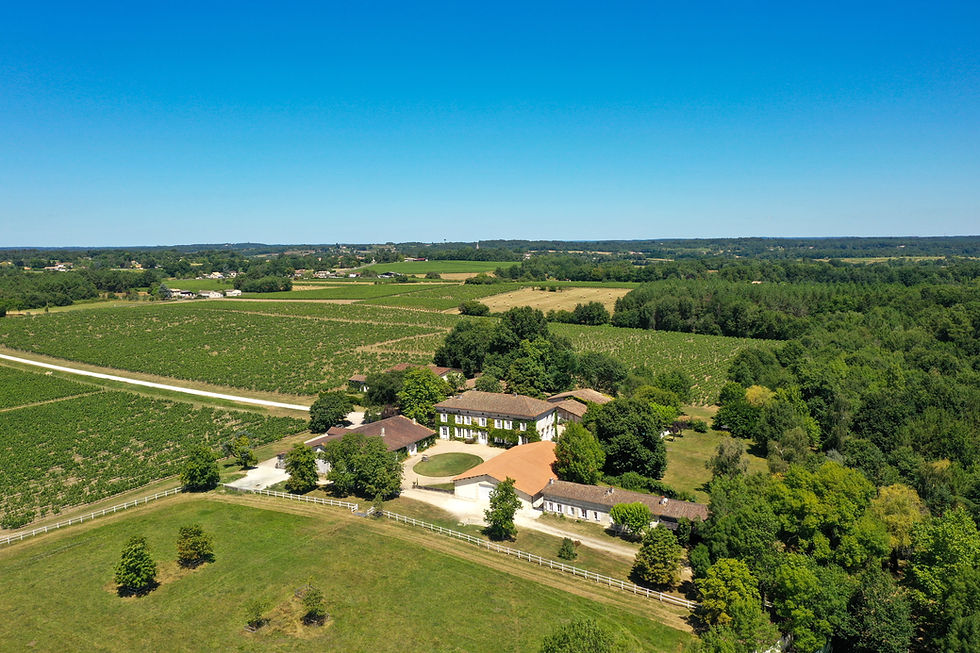
Château Méaume | Right Bank, 15 minutes from Pomerol | Our whole 18th century farmhouse, four bedrooms, sleeping up to 10 |
They fall into two kinds. The famous estates with hotels give you service, restaurants and often a spa, with the wine as the backdrop. The whole-house stays on working vineyards give you space, a kitchen and a long table, with the family who make the wine a few steps away. Couples tend to prefer the first, and groups of friends or family usually find the second suits them better, because everyone stays under one roof.
What makes a château visit worth the drive?
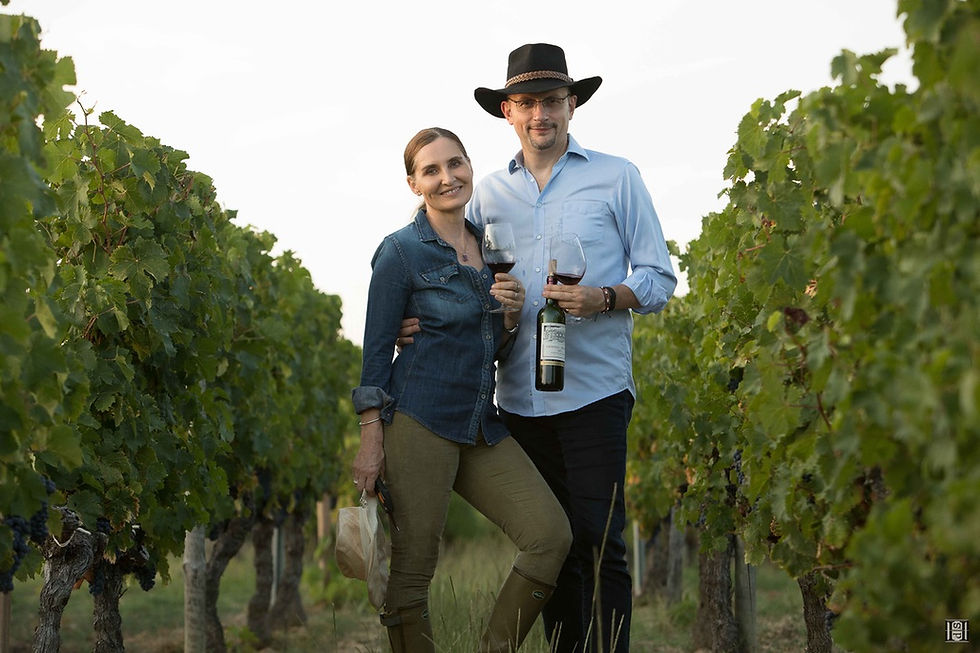
From our side of the cellar door, the visits that teach you most are usually the small ones. A grand estate shows you a remarkable cellar and tells its story well. A family estate lets you stand in the vat room, ask the questions you actually have, and taste with the person who decided when to pick. Our first vintage here was in 1795, and in August 2026 we opened 60 consecutive vintages of our own wine side by side, from 1966 to 2025. What that tasting showed us was how differently each year turns out from the same vines, and that is something a small estate that has kept its own bottles can show you far better than a brand can.
So when you plan your days, mix the two. Book one famous name you have always wanted to see, and spend the rest of your time with the estates where the owner still answers the email.
How should you plan your château visits?
Two visits a day is comfortable and three is the most we would suggest, one in the morning and one or two in the afternoon with a long lunch between. Keep each day to one side of the river. From our farmhouse, Pomerol is 15 minutes away, Saint-Émilion 25 and the Médoc châteaux between 45 minutes and an hour, so a Right Bank day and a Médoc day work far better than trying to fit both into one. Our guide to where to stay in the Bordeaux wine region goes into the bases in more detail.
You will need a car, because public transport does not reach most estates. Someone has to drive after every tasting, and France's legal limit of 0.5 grams per litre is lower than in England and Wales, so spit at tastings or take turns behind the wheel. Late September and October bring the harvest, which is the most exciting time to be in Bordeaux, but it is also the busiest time of year in every cellar, so book visits early and expect some smaller estates to say no until the grapes are in.
Where does Château Méaume fit?
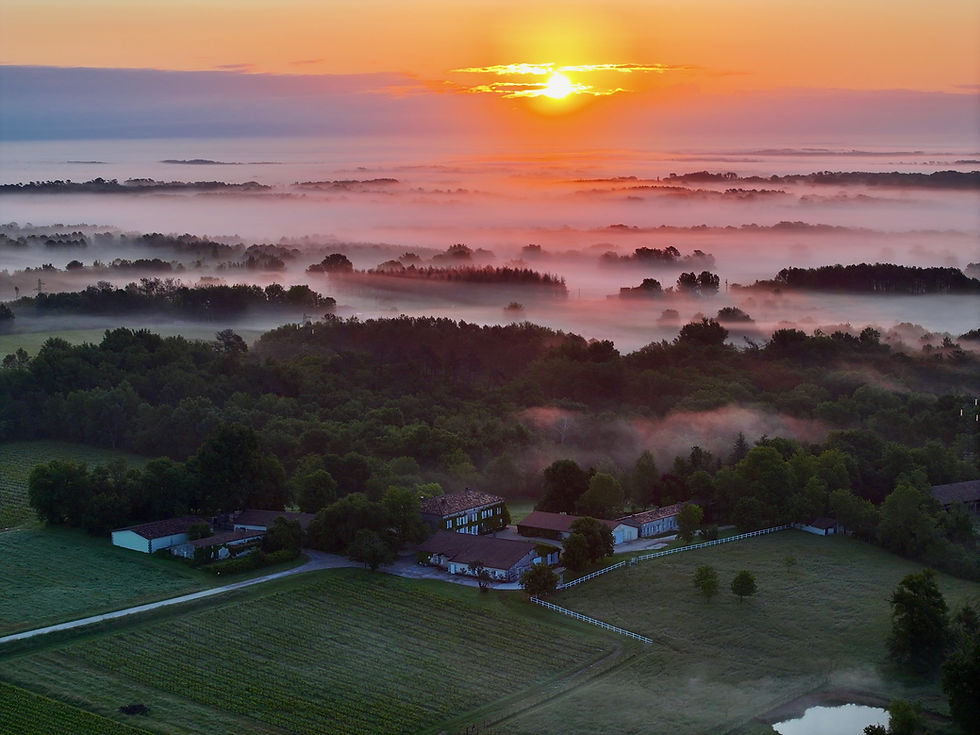
If you are planning a few days of château visits, our farmhouse makes a natural base on the Right Bank: the whole house to yourselves on a working vineyard, with Pomerol and Saint-Émilion close enough to be back on the terrace for dinner. Every stay includes a tasting in our cellar, and we are always happy to suggest neighbours worth writing to. You can see the house and check dates on the page for our farmhouse on the vineyard.
The farmhouse is rural and needs a car, and because we are a working farm with machinery and cattle, we don't accept guests under 17. If you are only passing through, you can arrange a cellar tasting with us instead, or start with a bottle of our Right Bank Bordeaux wines.
Quick answers
Can you visit Bordeaux châteaux without booking? Rarely. Almost every estate works by appointment, though the Saint-Émilion tourist office lists châteaux open to visitors each day.
Can you visit Château Petrus? Not as a member of the public. Petrus receives visitors by personal invitation only.
Which Bordeaux châteaux can you stay at? Smith Haut Lafitte, Troplong Mondot, Lafaurie-Peyraguey and Cos d'Estournel all have rooms, and working estates such as ours let whole houses on the vineyard.
How many châteaux can you visit in a day? Two is comfortable and three is the most we would suggest, all on the same side of the river.
So which châteaux should you visit?
The châteaux worth your time are the ones that will genuinely welcome you, so start with what is open rather than what is famous. Choose one bank for each day, book each visit a few weeks ahead, and keep at least one of them small enough that the owner pours the wine.
If the Right Bank is where you would like to spend those days, the farmhouse sits among our vines and every stay includes a session in our cellar, usually with something older if Mark has it open. See the farmhouse and check dates.