.png)
Saint-Émilion Wine Tasting: How to Plan Your Visits on the Right Bank
The best way to do Saint-Émilion wine tasting is to book two or three château visits a day in advance, leave time to walk the village between them, and keep one day for Pomerol, where the estates are smaller and almost every visit is by appointment. Plan on mornings for châteaux and afternoons for the village, choose a designated driver or a local guide, and stay close enough that you are not driving back to Bordeaux each evening. We are 25 minutes from Saint-Émilion and 15 from Pomerol, which is why we know these roads well.
How does wine tasting work in Saint-Émilion?
Saint-Émilion is a medieval village on a limestone plateau, surrounded by vineyards that run right up to its walls. The village and the surrounding communes were listed together by UNESCO in 1999 as the Jurisdiction of Saint-Émilion, one of the few places where a working wine landscape has that status. That tells you something useful before you arrive: the vines are the point, and the village is the place to eat, walk and buy, while the real tasting happens at the châteaux outside it.
Most châteaux open by appointment rather than on a drop-in basis. A typical visit is a walk through the vineyard or the cellar followed by a tasting of two or three wines, and it usually takes an hour to an hour and a half. Some estates offer longer formats with lunch or a vertical tasting of older vintages. You can book directly with each château, or through the Saint-Émilion tourist office, which handles visits for a number of estates and runs the guided tours of the monolithic church carved into the rock beneath the village. Those tours are guided only and fill quickly in summer, so book the English slot ahead.
In the village itself you will find wine shops on almost every street, many of which pour by the glass. They are a good way to compare appellations side by side, but they are shops, so treat them as a supplement to the château visits rather than a replacement.
Which châteaux should you book?
Saint-Émilion has its own classification, revised roughly every ten years, and the 2022 edition lists 85 properties across three tiers. It is a reasonable starting point, but it is worth knowing that three of the most famous names, Ausone, Cheval Blanc and Angélus, chose to leave the classification before 2022, so a list of "Premiers Grands Crus Classés" no longer tells the whole story. The famous estates are also the hardest to get into, and some do not receive visitors at all.
Our suggestion is a mix. Book one well-known classified estate for the architecture and the cellars, one family-run property where you are likely to be shown round by someone who works the vines, and leave the third slot for somewhere a sommelier or a friend has recommended. The family estates are where you tend to hear about the year's weather, the harvest and the decisions behind the wine, which is the part most people remember. Our guide to Bordeaux wine châteaux you can visit goes into which estates open, which need booking well ahead and which never open at all.
How is Pomerol different?
Pomerol sits immediately north-west of Saint-Émilion, and the two appellations border each other. It is a much smaller appellation, with around 130 estates on clay and gravel soils, and it has no village centre to speak of beyond the church and a handful of houses. It also has no official classification, which has never stopped its best wines being among the most sought after in the world.
Visiting Pomerol takes more planning. Many estates are too small to run a visitor programme, and the most famous ones rarely open. A handful of properties, including Château Beauregard, Château Gazin and Château Petit Village, welcome visitors by appointment. If you cannot get a visit, the Maison des Vins de Pomerol beside the church sells around 70 Pomerol wines at the same prices as the estates, which makes it a useful place to taste the appellation's range in one stop.
We would give Pomerol a morning rather than a full day, and pair it with lunch in Libourne or a quieter afternoon. Both appellations are Merlot country, and if you want to understand why their wines taste so different from the Médoc across the river, our piece on Left Bank vs Right Bank Bordeaux explains it in plain terms.
When is the best time to go?
Spring and early autumn are the easiest months. From April to June the vines are in leaf, the châteaux are open and the village is not yet full. Late September and October bring the harvest, when the vineyards are at their busiest and most interesting, though some estates scale back visits while the grapes are coming in. July and August are the busiest months in the village, and you will need to book château visits and the monolithic church further ahead.
Many châteaux close on Sundays and over lunch, and some close for part of the winter, so check opening days when you book. The busiest weeks of all are the en primeur tastings in spring, when the wine trade descends on Bordeaux, and the harvest itself, when every estate's attention is on the vineyard. If you would like to see the harvest from the inside, our post on a Bordeaux harvest holiday explains what that week looks like on a working estate.
Practical things worth knowing
You need a car, a driver or a guide. The châteaux are spread across the countryside, and public transport between them is close to non-existent. France's drink-drive limit is 0.5 grams per litre, lower than in England and Wales, and 0.2 for newly qualified drivers, so whoever is driving should spit. Every tasting room has a spittoon and nobody will think twice about using it. A local guide or driver for a day is the most relaxed option if everyone wants to taste.
Three visits a day is the realistic maximum. Two in the morning and one in the afternoon leaves time for lunch and a walk round the village; more than that and the wines start to blur. Parking is easiest in the car parks around the edge of the village, because the streets inside the walls are steep, cobbled and narrow.
Finally, think about where you will sleep. If you stay in Bordeaux city, Saint-Émilion is around 45 minutes to an hour's drive each way, which makes for long days and a driver who cannot enjoy dinner. Staying among the vineyards on the Right Bank turns the same trip into short drives in the morning and evenings at the table. Our guide to where to stay in the Bordeaux wine region compares the options honestly.
Where Château Méaume fits
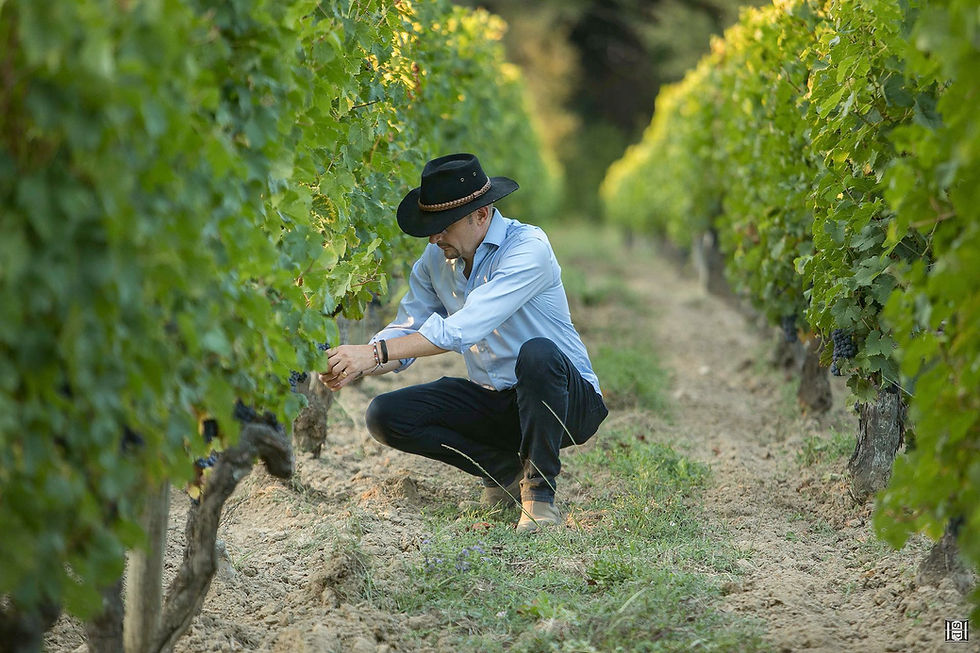
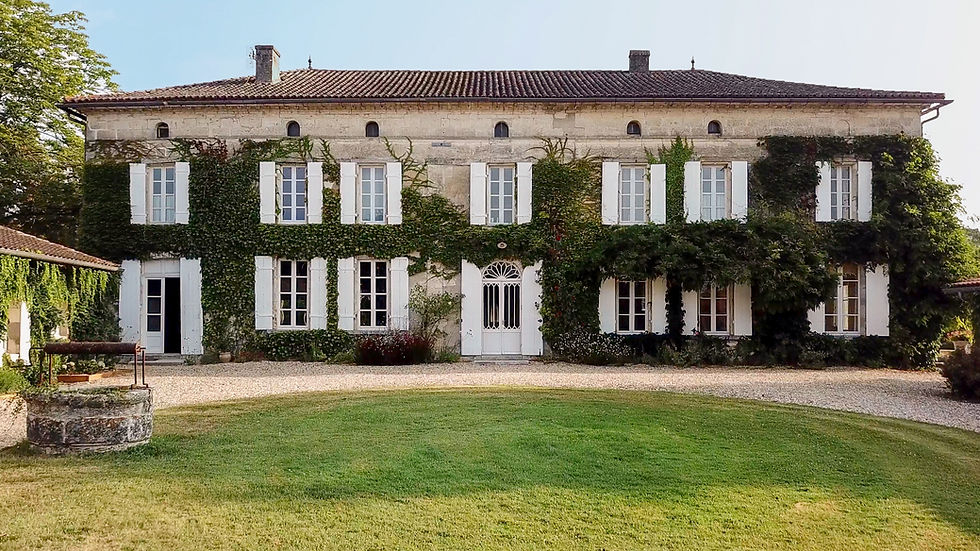
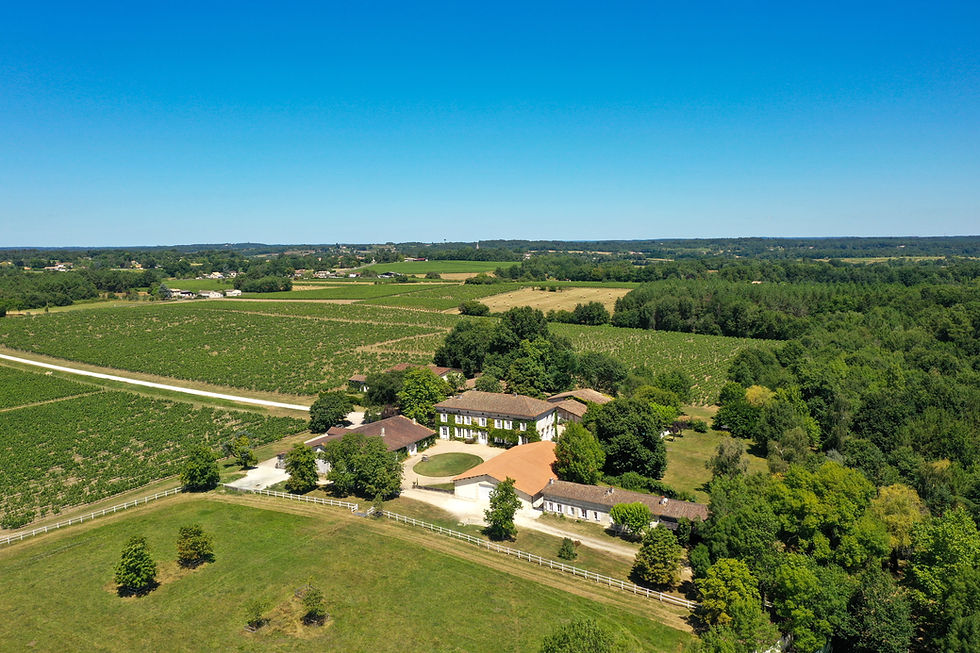
Our farmhouse sits on our own working vineyard at Maransin, 25 minutes from Saint-Émilion and 15 minutes from Pomerol, which makes it a practical base for exactly this kind of trip. It is an 18th century farmhouse with four bedrooms and three bathrooms and sleeps up to 10, so a group can split into two cars, book their own château visits and meet back for dinner. Guests in the farmhouse also taste with us in our cellar, where Mark opens our Merlot-led Bordeaux Supérieur and explains how it is made a few metres from the vines it comes from.
It suits couples and groups of friends who want to spend their days tasting and their evenings in the countryside. It is rural, so you will need a car, and as a working farm it is for guests aged 17 and over. If you want to be within walking distance of restaurants every night, the village of Saint-Émilion will suit you better.
Quick answers
Do you need to book wine tasting in Saint-Émilion? Yes, for almost all châteaux. Wine shops in the village pour without a booking, but château visits are by appointment.
How long do you need in Saint-Émilion? One full day covers the village and two or three château visits. Two or three days lets you add Pomerol and slow down.
Can you visit Pomerol châteaux? A few, by appointment, including Château Beauregard, Château Gazin and Château Petit Village. Many Pomerol estates are too small to receive visitors.
How far is Saint-Émilion from Bordeaux? Around 45 minutes to an hour's drive from the city centre, depending on traffic.
What is the best month for Saint-Émilion wine tasting? May, June and September are the easiest balance of open châteaux, good weather and manageable crowds.
Planning the days
Saint-Émilion wine tasting works best when it is planned around appointments in the morning and the village in the afternoon, with Pomerol given its own half day. Book the château visits before you book anything else, because they shape the rest of the trip.
If you would like a base among the vines for it, stay in our farmhouse on the vineyard. We are happy to suggest châteaux to book around your dates, and the first evening usually starts with a glass of our Right Bank Bordeaux on the terrace.